Table of Contents
- Why Streaming Safety Matters More Than Ever
- Use Reputable Streaming Services
- Secure Your Home Network
- Create Strong, Unique Passwords
- Use a VPN for Private Streaming
- Avoid Pirated Content and Suspicious Links
- Keep Your Devices and Apps Updated
- Enable Two-Factor Authentication
- Monitor Your Streaming Accounts
- Educate Everyone in Your Household
- Stream Safely with Confidence
Why Streaming Safety Matters More Than Ever
With over 85% of households now streaming content regularly, understanding safety tips for streaming online has become essential digital literacy. Every time you click play, you're potentially exposing personal data, payment information, and device security to various threats. The convenience of instant entertainment shouldn't come at the cost of your privacy or security. This comprehensive guide provides practical safety tips for streaming online that will help you enjoy your favorite content while protecting what matters most.
Streaming services collect significant amounts of data about viewing habits, device information, and sometimes even location data. While legitimate services like our free IPTV trial here prioritize user security, not all streaming platforms operate with the same standards. Implementing these safety tips for streaming online ensures you're not vulnerable to data breaches, malware, or unauthorized access to your accounts.
Use Reputable Streaming Services
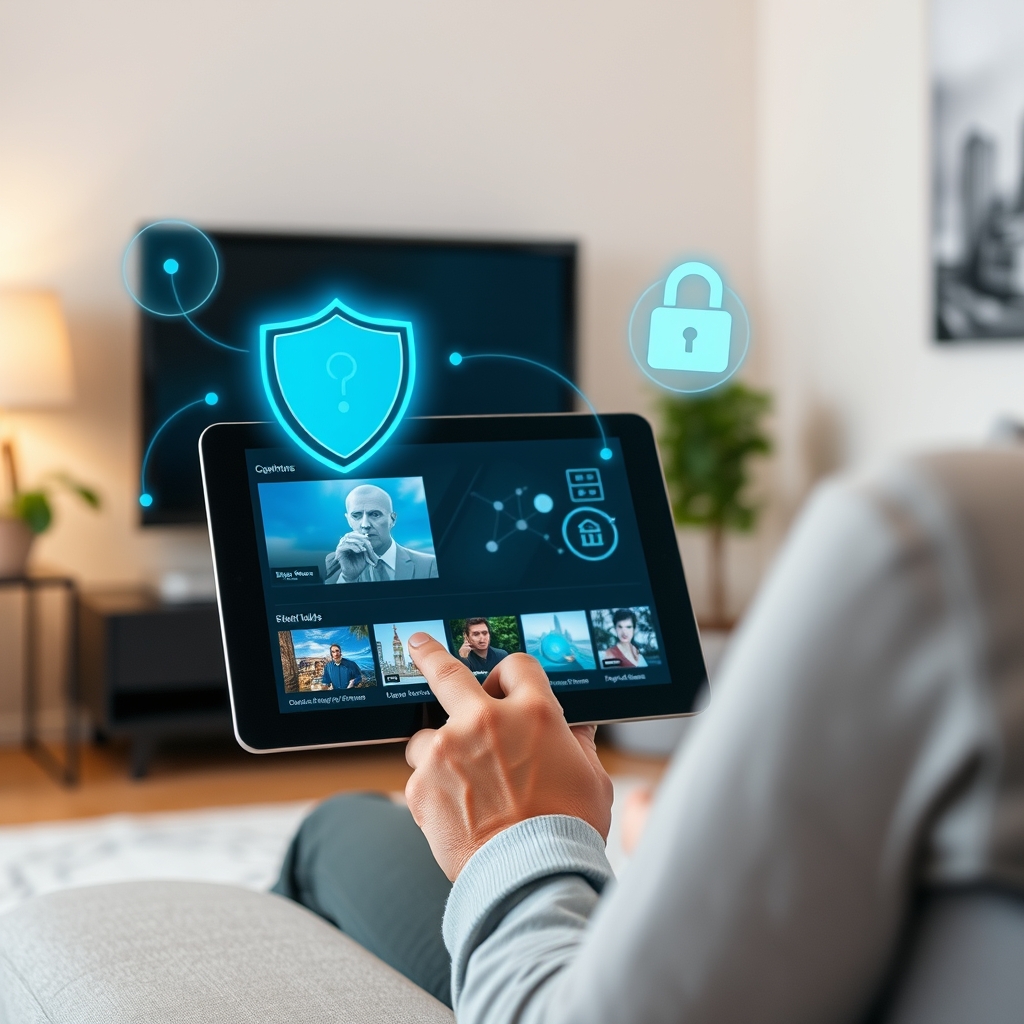
Your first line of defense in streaming safety is choosing legitimate services with transparent privacy policies. Reputable providers invest in security infrastructure, regular audits, and comply with data protection regulations. When evaluating streaming services, look for clear terms of service, published privacy policies, and customer support channels.
Our free 48-hour IPTV trial offers 9,000+ live channels through a secure, verified platform with encrypted connections. Legitimate services provide several security advantages:
- Encrypted payment processing for subscription transactions
- Regular security updates to their applications and platforms
- Transparent data collection policies you can review before signing up
- Customer support to address security concerns promptly
- Legal content licensing that reduces exposure to malicious code
Avoid services that seem too good to be true, especially those offering premium content at suspiciously low prices or through questionable distribution methods. According to the Federal Communications Commission, pirated streaming services often contain malware and tracking software that compromises user security.
How to Verify Streaming Service Legitimacy
Check for professional website design, legitimate contact information, customer reviews on trusted platforms, and clear subscription terms. Reputable services won't ask for unnecessary personal information or make unrealistic promises about content availability.
Secure Your Home Network
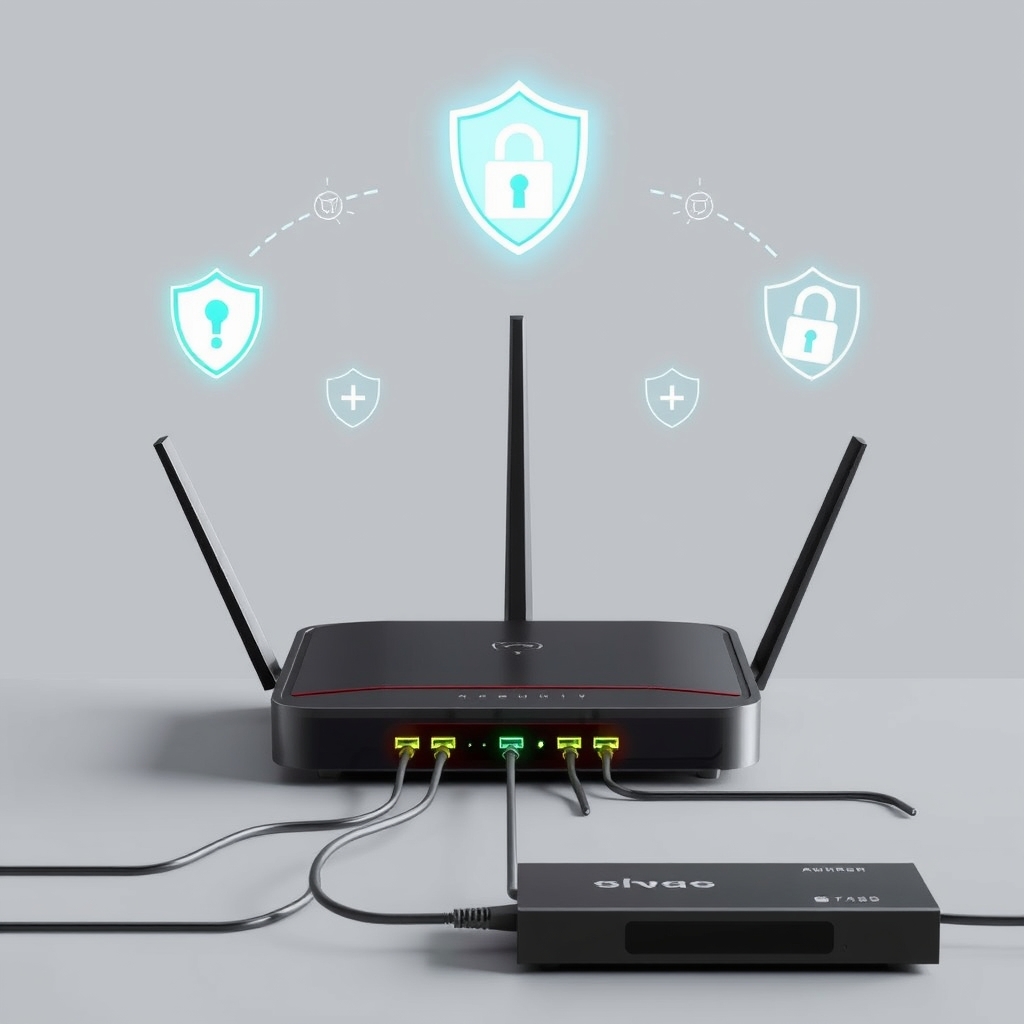
Your home Wi-Fi network is the gateway through which all your streaming traffic flows. An unsecured network exposes every connected device to potential intrusion. Begin with these fundamental network security measures that form crucial safety tips for streaming online.
First, change your router's default administrator password to something strong and unique. Default credentials are publicly available and represent one of the most common security vulnerabilities in home networks. Next, enable WPA3 encryption if your router supports it, or at minimum WPA2 encryption. Avoid using WEP encryption as it's easily compromised.
Additional network security measures include:
- Create a separate guest network for visitors and less trusted devices
- Disable remote management features unless absolutely necessary
- Regularly update your router's firmware to patch security vulnerabilities
- Hide your network SSID if you want an extra layer of obscurity
- Implement MAC address filtering for tighter device control
Create Strong, Unique Passwords
Password security remains one of the most overlooked aspects of streaming safety. Reusing passwords across multiple services creates a domino effect—if one service is breached, all your accounts become vulnerable. Follow these guidelines for creating secure streaming credentials.
Each streaming service should have a completely unique password combining uppercase and lowercase letters, numbers, and special characters. Aim for at least 12 characters, though 16 or more provides significantly better protection against brute force attacks. Consider using passphrases—sequences of random words—which are both secure and easier to remember than complex character strings.
Password managers solve the memorization problem while enhancing security. These tools generate, store, and autofill strong passwords across all your devices. Many quality password managers offer free tiers with adequate features for most users. If you prefer manual management, develop a system that creates unique passwords you can reconstruct without writing them down insecurely.
Use a VPN for Private Streaming
A Virtual Private Network (VPN) encrypts your internet connection, creating a secure tunnel between your device and the VPN server. This provides several security benefits for streaming, making it one of the most effective safety tips for streaming online. VPNs mask your IP address, preventing websites and services from tracking your physical location and building detailed profiles of your viewing habits.
When selecting a VPN for streaming, prioritize services with:
- Strong encryption protocols (OpenVPN or WireGuard)
- Strict no-logs policies verified by independent audits
- Fast connection speeds suitable for HD and 4K streaming
- Servers in locations relevant to your streaming needs
- Compatibility with your streaming devices
While some streaming services may detect and block VPN connections, reputable VPN providers continuously update their servers to maintain access. Remember that VPNs protect your connection privacy but don't make illegal streaming legal—always use them in conjunction with legitimate services like our free IPTV trial that offers properly licensed content.
Avoid Pirated Content and Suspicious Links
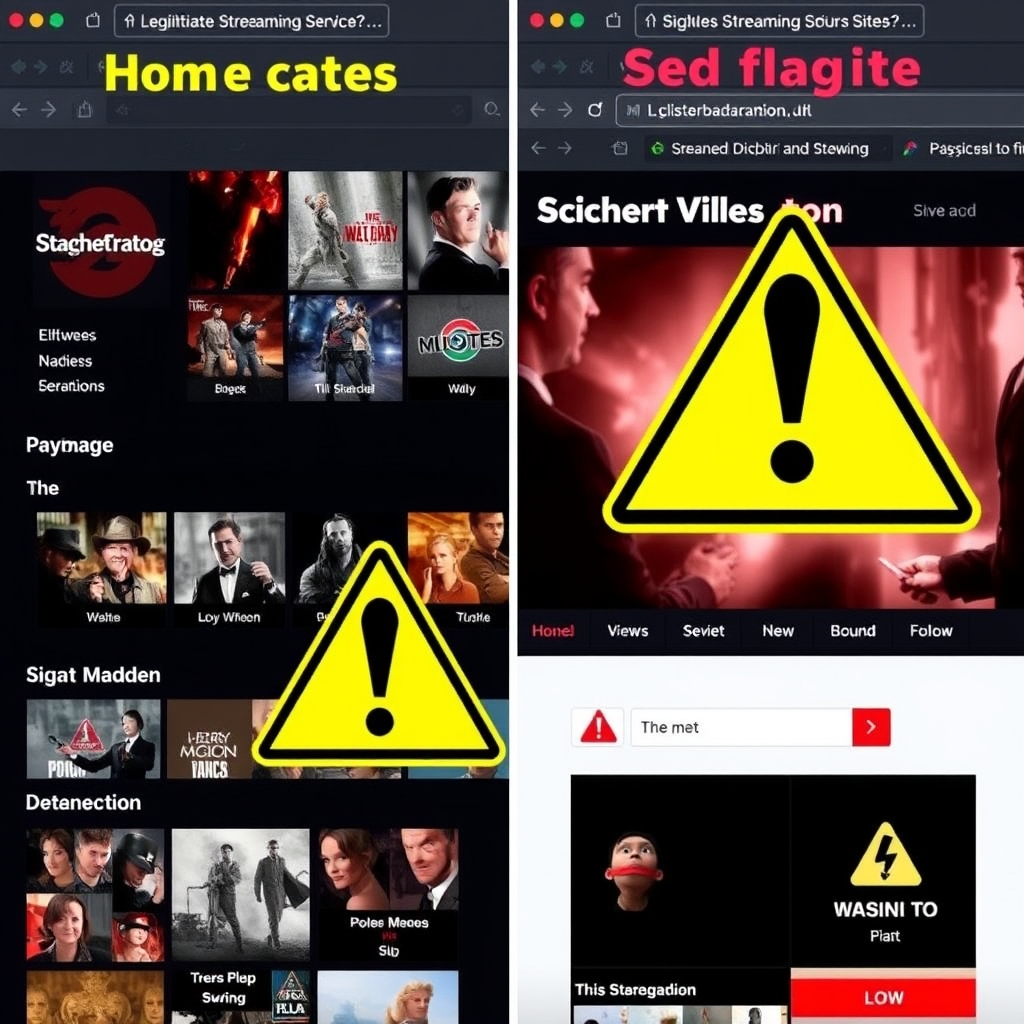
Illegal streaming sites and pirated content represent significant security risks beyond just copyright issues. These platforms often host malware, deploy phishing schemes, and may even hijack devices for cryptocurrency mining. Understanding these dangers forms a critical component of comprehensive safety tips for streaming online.
Pirated streaming services frequently contain:
- Malware disguised as necessary video codecs or players
- Phishing pop-ups mimicking legitimate login screens
- Drive-by downloads that install malicious software without consent
- Cryptojacking scripts that use your device's resources
- Tracking software that monitors your browsing habits
Even seemingly harmless free streaming sites often generate revenue through malicious advertising networks. These ads can contain exploit kits that target vulnerabilities in your browser or plugins. Stick to legitimate services with clear business models—like our ad-free IPTV trial—rather than risking your security for supposedly free content.
Keep Your Devices and Apps Updated
Software updates often include critical security patches that address newly discovered vulnerabilities. Streaming devices, smart TVs, mobile apps, and browsers all require regular updates to maintain security. Enable automatic updates whenever possible to ensure you're protected against the latest threats.
Different devices require different update approaches:
- Smart TVs and streaming boxes: Check for system updates monthly in settings menus
- Mobile devices: Enable automatic app updates and install OS updates promptly
- Computers: Update operating systems, browsers, and streaming applications regularly
- Browser extensions: Remove unused extensions and update necessary ones
Outdated streaming apps represent particular risks as they may contain unpatched vulnerabilities that could allow unauthorized access to your device or accounts. Set aside time each month to verify all your streaming-related software is current, or enable automatic updates to handle this maintenance automatically.
Enable Two-Factor Authentication
Two-factor authentication (2FA) adds an essential second layer of security beyond passwords. Even if someone obtains your password, they won't be able to access your account without the second verification factor. Most major streaming platforms now offer 2FA options in their security settings.
When available, enable 2FA using one of these methods:
- Authentication apps like Google Authenticator or Authy generate time-based codes
- Hardware security keys provide physical verification through USB or NFC
- SMS verification sends codes to your mobile phone (less secure than apps but better than nothing)
- Biometric verification uses fingerprint or facial recognition where supported
Authentication apps generally provide the best balance of security and convenience. They work without cellular service, aren't vulnerable to SIM swapping attacks, and generate codes locally on your device. Once configured, 2FA only adds seconds to your login process while dramatically improving account security.
Monitor Your Streaming Accounts
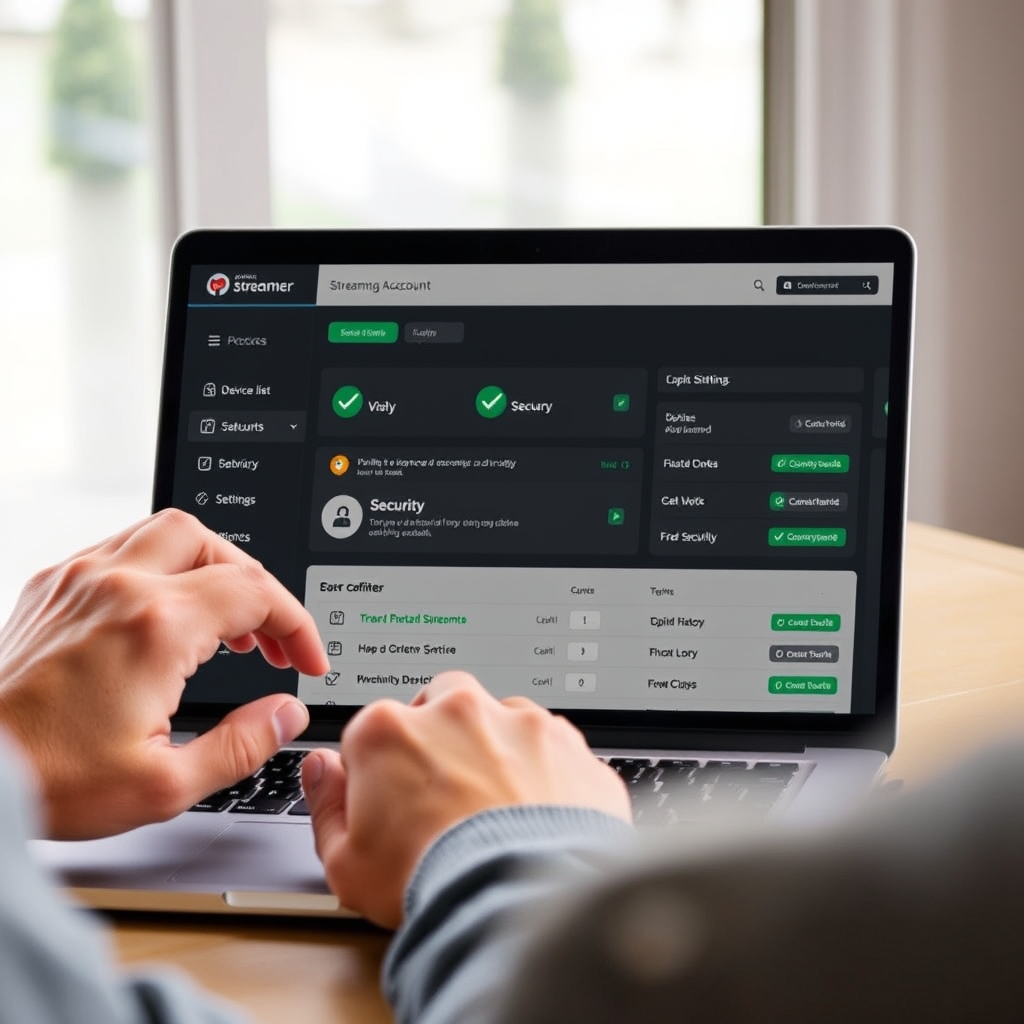
Regularly reviewing your streaming accounts helps detect unauthorized access early. Check for unfamiliar devices, unexpected location logins, or changes to account settings you didn't make. Most streaming services provide account activity logs in their security settings.
Establish a monthly routine to:
- Review connected devices and remove any you no longer use
- Check for unfamiliar viewing history or recommendations
- Verify that payment information hasn't been altered
- Confirm email and password remain unchanged
- Look for unauthorized subscription tier changes
If you notice suspicious activity, immediately change your password, enable 2FA if not already active, and contact customer support. Many services allow you to log out of all devices simultaneously—a useful feature if you suspect unauthorized access. For services you no longer use, completely delete the account rather than just abandoning it.
Educate Everyone in Your Household
Streaming security is only as strong as the least informed user on your network. Children, guests, and less tech-savvy family members can inadvertently compromise security through innocent mistakes. Create simple guidelines and explain why these safety tips for streaming online matter.
Key concepts to communicate include:
- Never share account passwords outside the household
- Recognize and avoid phishing attempts (suspicious emails or messages about accounts)
- Only install streaming apps from official app stores
- Understand the risks of clicking unknown links while streaming
- Report any unusual device behavior or account issues immediately
For households with children, consider using parental controls both on streaming services and at the router level. Many services offer kid profiles with restricted content, while router-level controls can limit streaming during certain hours or to specific devices. Balance security with practicality—overly restrictive measures often lead to workarounds that bypass security entirely.
Stream Safely with Confidence
Implementing these safety tips for streaming online transforms your viewing experience from potentially risky to confidently secure. Each layer of protection—from choosing legitimate services to securing your network, using strong authentication, and staying vigilant—creates a comprehensive security approach that lets you focus on entertainment rather than worry about threats.
The foundation of streaming safety begins with reputable providers who prioritize user security. Our free 48-hour IPTV trial offers a secure way to explore 9,000+ live channels without compromising your digital safety. Combined with the other measures outlined here, you can create a streaming environment that protects your privacy while delivering exceptional entertainment.
Remember that streaming security isn't a one-time setup but an ongoing practice. As technology evolves, so do potential threats. Stay informed about new security developments, periodically review your protections, and adjust your approach as needed. With these safety tips for streaming online properly implemented, you can enjoy all the benefits of modern streaming with peace of mind about your digital security.
For more information about secure streaming options, check our FAQ page or explore additional streaming guides on our website.