Table of Contents
What Exactly Is IPTV?
Internet Protocol Television (IPTV) is a method of delivering television content over the internet instead of traditional terrestrial, satellite, or cable formats. The technology itself is perfectly legal and is used by major providers worldwide. When people ask "is IPTV legal in my country," they're usually referring to the specific service they're using and the content it provides, not the underlying technology.
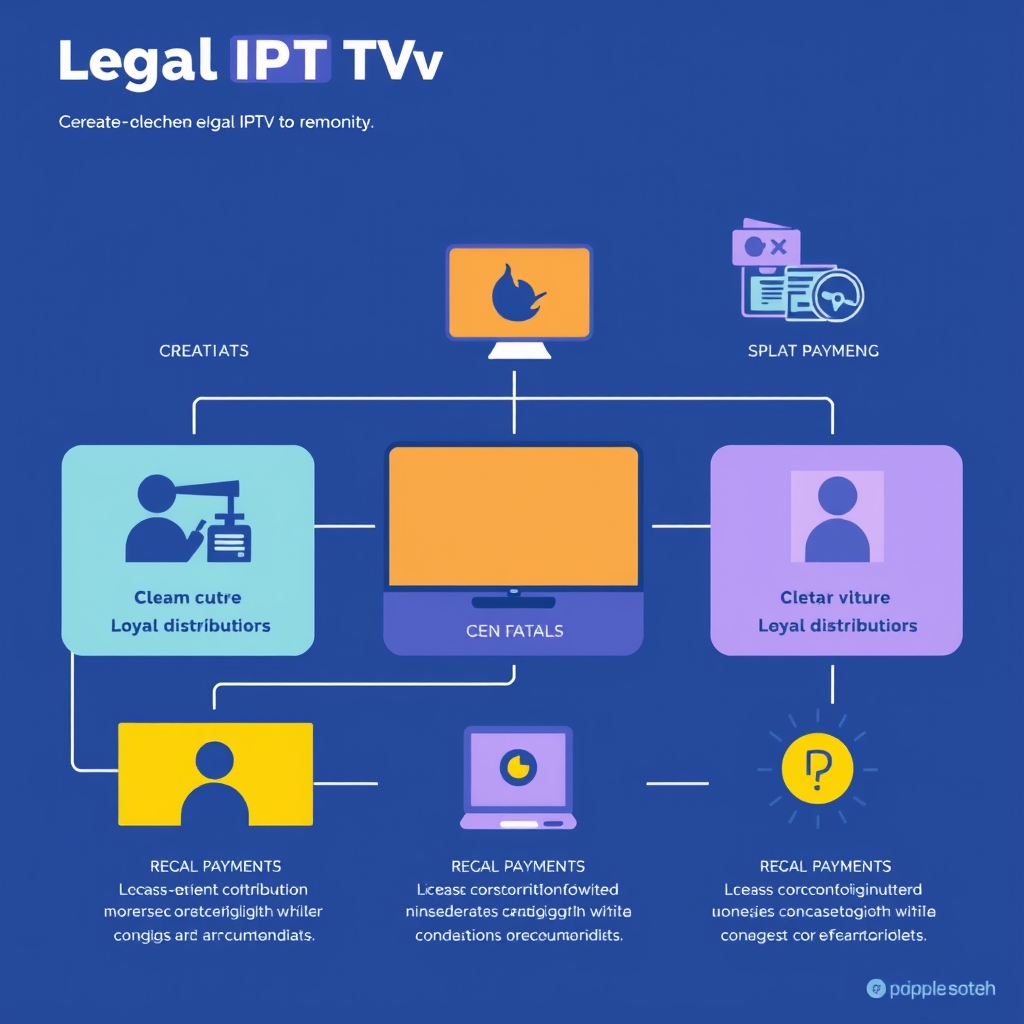
Legitimate IPTV services like those from established telecom companies operate with proper broadcasting licenses and content distribution agreements. These services pay royalties to content creators and rights holders, ensuring that everyone in the production chain is compensated fairly. The confusion about legality arises from the proliferation of unlicensed services that offer premium content without proper authorization.
Licensed vs. Unlicensed IPTV: The Critical Difference
Understanding the distinction between licensed and unlicensed IPTV services is essential when evaluating "is IPTV legal in my country." Licensed services have obtained proper permissions from content owners and broadcasters to distribute their programming. These services typically:
- Charge reasonable subscription fees that include royalty payments
- Offer clear terms of service and privacy policies
- Have official websites with company information and contact details
- Provide reliable customer support and billing
- Work with recognized payment processors
Unlicensed services, often called "pirate IPTV" or "illegal streaming services," operate without these permissions. They frequently offer thousands of channels at suspiciously low prices, lack proper customer support, and may disappear suddenly when legal action is taken against them. The European Union Intellectual Property Office reports that these services cause significant financial damage to legitimate content industries.
Why This Distinction Matters for Your Question
When you're researching "is IPTV legal in my country," you need to evaluate the specific service you're considering. The same technology can be used legally or illegally depending on how it's implemented. Many countries differentiate between the end-user (viewer) and the service provider in their laws, but using unlicensed services still carries risks.
IPTV Legality by Region and Country
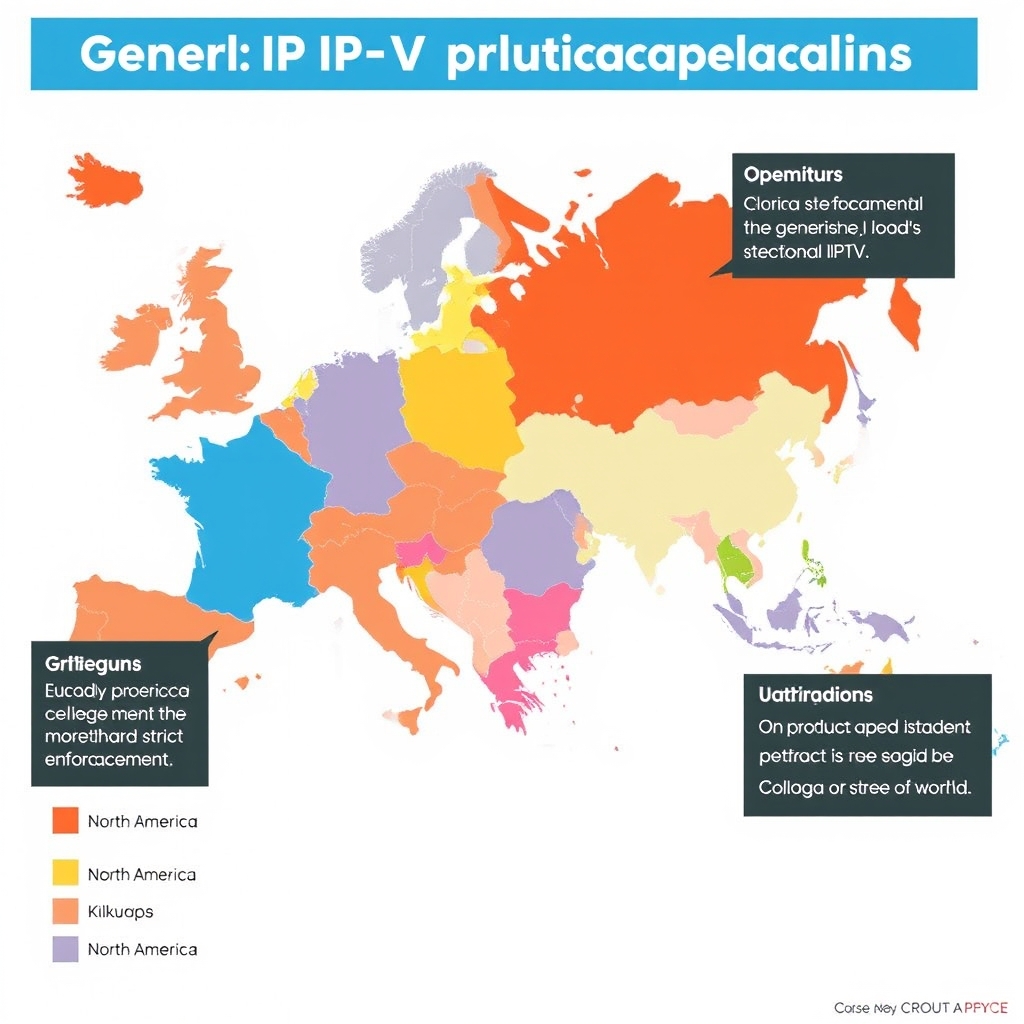
The answer to "is IPTV legal in my country" varies significantly depending on where you live. Here's a breakdown of how different regions approach IPTV regulation:
North America
In the United States and Canada, IPTV itself is legal when provided by licensed services. Major providers like AT&T TV, Sling TV, and YouTube TV operate legally with proper content agreements. However, using unlicensed services that offer copyrighted content without permission violates copyright laws. The U.S. has particularly aggressive enforcement through the Digital Millennium Copyright Act (DMCA).
European Union
EU countries generally follow similar guidelines: licensed IPTV services are legal, while unlicensed services violate copyright directives. Countries like the UK, Germany, and France have implemented specific measures against illegal streaming, including website blocking and targeting service providers. The EU's Copyright Directive harmonizes many of these approaches across member states.
Asia-Pacific Region
Asian countries show more variation. In Japan and South Korea, IPTV services are highly regulated and generally legal through licensed providers. In other countries, enforcement varies widely. Australia has taken significant action against illegal streaming services in recent years.
Other Regions
In many parts of Africa, the Middle East, and Latin America, regulations may be less strictly enforced, but the fundamental legal principles remain: services need proper licensing to distribute copyrighted content. Always check your specific country's copyright and broadcasting laws.
How to Identify a Legal IPTV Service
When determining "is IPTV legal in my country" for a specific service, look for these indicators of legitimacy:
- Transparent Business Information: Legal services provide company names, addresses, and contact information.
- Reasonable Pricing: Extremely low prices (like $5-10 per month for thousands of premium channels) often indicate unlicensed operations.
- Official Content Partnerships: Legitimate services advertise their partnerships with known networks and studios.
- Secure Payment Methods: They use established payment processors rather than cryptocurrency or direct bank transfers to obscure individuals.
- No Promises of "Free" Premium Content: Legal services don't advertise HBO, Netflix, or sports packages as included without extra fees.
Our service at Instant IPTV Trial operates with proper content agreements and offers a free trial here so you can evaluate our legitimate offering with 9,000+ channels before committing.
The Risks of Using Unlicensed IPTV Services
If you're still wondering "is IPTV legal in my country" specifically regarding unlicensed services, consider these significant risks:
- Legal Consequences: While most enforcement targets providers, some countries have begun penalizing users through fines or internet service restrictions.
- Security Vulnerabilities: Unlicensed services often lack proper security, potentially exposing your personal information and devices to malware.
- Unreliable Service: These services frequently experience downtime, especially during major sporting events when they're most likely to be targeted.
- No Customer Support: When issues arise, you typically have no recourse for assistance or refunds.
- Ethical Considerations: Using these services deprives content creators of rightful compensation for their work.
A study by Digital TV Research estimated that piracy will cost pay-TV providers $67 billion between 2020 and 2025, highlighting the scale of the problem.
How to Stream IPTV Safely and Legally
To ensure you're accessing IPTV legally in your country, follow these best practices:
Choose Reputable Providers
Select services that are well-established and transparent about their licensing. Look for reviews from reputable sources and check if they're mentioned positively in industry publications.
Understand Your Local Laws
Research your country's specific copyright and streaming regulations. Some nations have unique requirements or restrictions that might affect your IPTV usage.
Use a VPN Wisely
While VPNs can enhance privacy, using them to access geo-restricted content from unlicensed services doesn't make the activity legal. VPNs are best used for privacy with legitimate services, not for circumventing content restrictions illegally.
Start with a Trial
Always test services before committing long-term. Our free 48-hour trial lets you evaluate our extensive channel lineup and service quality risk-free, ensuring you're comfortable with a legitimate provider.

Final Verdict: Is IPTV Legal in Your Country?
So, is IPTV legal in your country? The answer is: it depends entirely on the service you choose. The IPTV technology itself is legal worldwide. Licensed services that obtain proper content distribution rights operate legally in most jurisdictions. Unlicensed services that stream copyrighted content without permission operate illegally in virtually all countries.
The key to streaming confidently is selecting a provider that transparently operates within legal boundaries. By choosing services with proper licensing, reasonable pricing, and legitimate business practices, you can enjoy thousands of channels without worrying about legal issues or service disruptions.
If you're looking for a legal IPTV option with an extensive channel selection, consider starting with our risk-free trial. We provide access to 9,000+ live channels through properly licensed agreements, giving you peace of mind along with premium entertainment. Check out our more guides for additional information on getting the most from your IPTV experience while staying within legal boundaries.
Remember: when it comes to IPTV, if an offer seems too good to be true, it probably is. Stick with reputable providers, and you'll never have to worry about whether IPTV is legal in your country.