Table of Contents
- Introduction: The Rising Cost of Entertainment
- Cable TV Cost Breakdown: The Real Price Tag
- IPTV Cost Breakdown: Transparent & Affordable
- Side-by-Side IPTV vs Cable TV Cost Comparison
- The Hidden Costs Cable Companies Don't Tell You
- Value Analysis: Channels, Quality & Features
- Calculating Your Long-Term Savings
- How to Switch & Start Saving
- Conclusion: Is the Switch Worth It?
Introduction: The Rising Cost of Entertainment
With monthly bills constantly climbing, the IPTV vs Cable TV cost comparison has become a critical household budget discussion. The average American cable bill now exceeds $100 monthly, pushing families to seek affordable alternatives. Enter IPTV (Internet Protocol Television), a streaming technology delivering live TV over the internet at a fraction of the cost. This guide provides a detailed, data-driven comparison to help you understand exactly where your money goes and how much you could save.
We'll break down every fee, from base packages to hidden surcharges, and compare them directly with IPTV services like ours, which offers a free 48-hour trial here with instant access to test the value yourself. By the end, you'll have a clear financial roadmap.

Cable TV Cost Breakdown: The Real Price Tag
Let's dissect a typical cable bill. The advertised 'promotional rate' is rarely the final amount you pay. According to Leichtman Research Group, the average monthly cable TV bill in the U.S. was $116 in 2023, and it's only rising.
Standard Cable TV Monthly Costs
- Base TV Package: $70 - $110 (often after a 12-month promo expires)
- Broadcast TV Fee: $15 - $25 (a charge for local channels)
- Regional Sports Fee: $10 - $20 (mandatory in many areas)
- HD Technology Fee: $10 - $15 (to rent an HD box)
- DVR Service Fee: $10 - $20 per box
- Additional Receiver Fee: $5 - $10 per extra TV
- Taxes & Regulatory Fees: $5 - $15
This brings a realistic total for a 2-TV household with DVR to $130 - $215 per month. Contracts often lock you in for 24 months, with severe penalties for early cancellation.
IPTV Cost Breakdown: Transparent & Affordable
IPTV operates on a different model. There are no infrastructure fees, broadcast fees, or equipment rentals. You use your existing internet connection and devices.
Standard IPTV Monthly Costs
- Monthly Subscription: $10 - $20 (for premium services with 9,000+ channels)
- Internet Cost: Already in your budget (IPTV uses about 1-3 GB per hour of streaming)
- Device: One-time cost for a streaming device (Fire Stick, Android Box, etc.) if you don't already own one. Many households use existing Smart TVs, phones, or tablets at $0 extra.
- No Hidden Fees: No broadcast, sports, HD, or DVR fees. What you see is what you pay.
A premium IPTV service, like the one we offer with a free trial here, typically costs between $12 and $18 per month when paid quarterly or annually. There are no contracts, so you can cancel anytime.
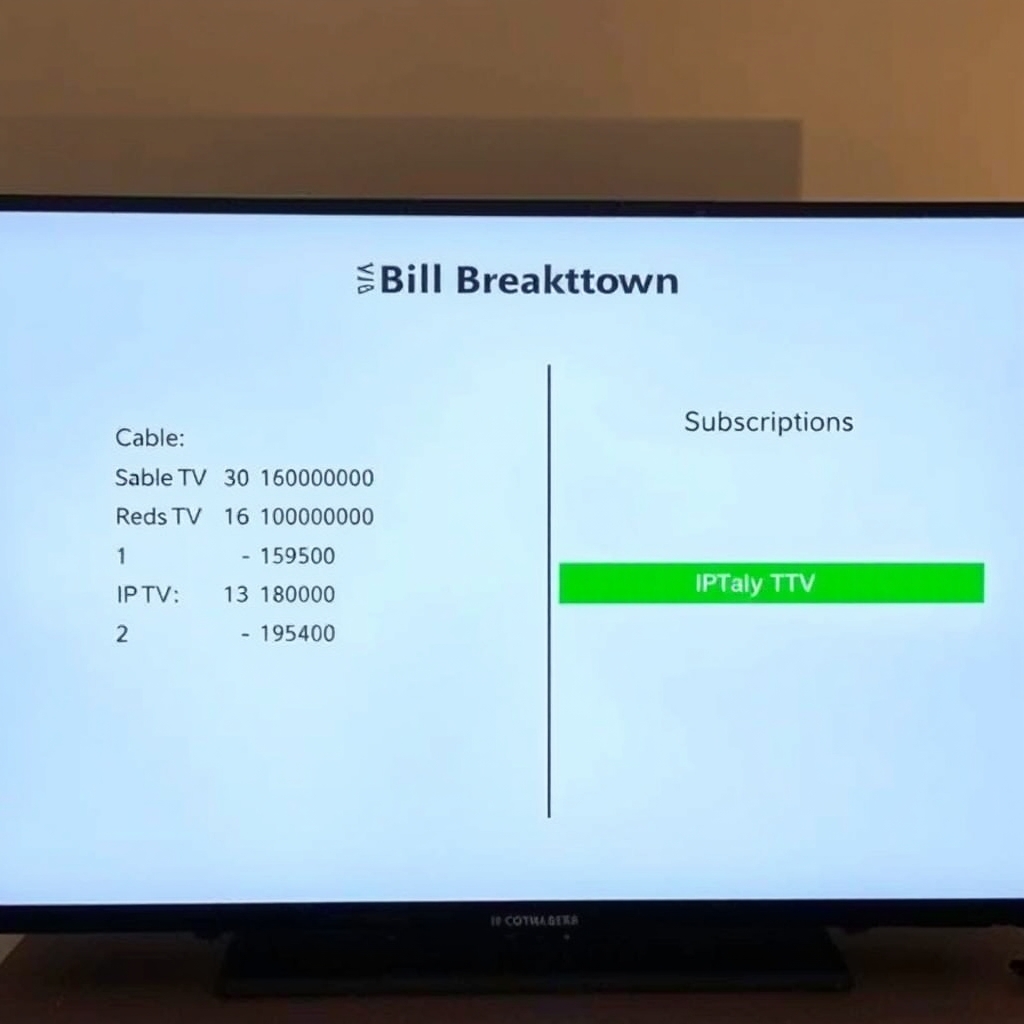
Side-by-Side IPTV vs Cable TV Cost Comparison
Let's put the numbers side-by-side for a typical family over a 12-month period. This IPTV vs Cable TV cost comparison assumes a 2-TV household wanting sports, news, and entertainment.
| Cost Factor | Cable TV (Year 1) | IPTV (Year 1) |
|---|---|---|
| Base Service | $1,320 ($110/month) | $180 ($15/month) |
| Equipment & DVR Fees | $360 ($30/month) | $0 (Use Own Device) |
| Broadcast & Sports Fees | $420 ($35/month) | $0 |
| Taxes & Surcharges | $120 ($10/month) | $0 |
| Total Year 1 Cost | $2,220 | $180 |
| Potential Annual Savings | $2,040+ with IPTV | |
The savings are staggering. The money saved in one year could cover a vacation, new electronics, or significant debt payment.
The Hidden Costs Cable Companies Don't Tell You
Beyond the monthly bill, cable has other financial impacts. The IPTV vs Cable TV cost comparison must include these often-overlooked expenses.
- Installation Fees: $50 - $100 for a technician to visit.
- Price Hikes: Promotional rates expire, often doubling your bill in the second year.
- Equipment Upgrades: New 4K boxes? That's another monthly fee.
- Cancellation Penalties: Early termination fees can be $20 per remaining month, easily costing hundreds.
- Time Cost: Long calls to customer service to dispute bills or negotiate rates.
IPTV eliminates these pain points. Installation is a 5-minute app download. There are no contracts to trap you, and price hikes are less common in the competitive IPTV market.
Value Analysis: Channels, Quality & Features
Cost is crucial, but value is king. Does the lower IPTV cost mean less content? Surprisingly, no.
Channel & Content Comparison
- Cable TV: Typically offers 150-300 channels in a mid-tier package. Premium movie and sports networks (HBO, NFL Sunday Ticket) add $30-$50+ per month.
- IPTV Service: Top-tier providers offer 9,000+ live channels, including international channels, premium sports PPV events, and movie networks, all within the base subscription. Our service includes this vast library in its free trial.
Quality & Reliability
Modern IPTV on a stable 25+ Mbps internet connection delivers Full HD and 4K streams comparable to cable. The main difference is that IPTV relies on your internet stability, while cable uses a dedicated line. For most homes with standard broadband, reliability is excellent.
Features: DVR, Multi-Screen & On-Demand
Cable charges extra for multi-room DVR and streaming apps. Quality IPTV services often include cloud-based catch-up TV, video-on-demand (VOD) libraries with thousands of movies and series, and the ability to watch on 3-5 devices simultaneously at no extra cost.
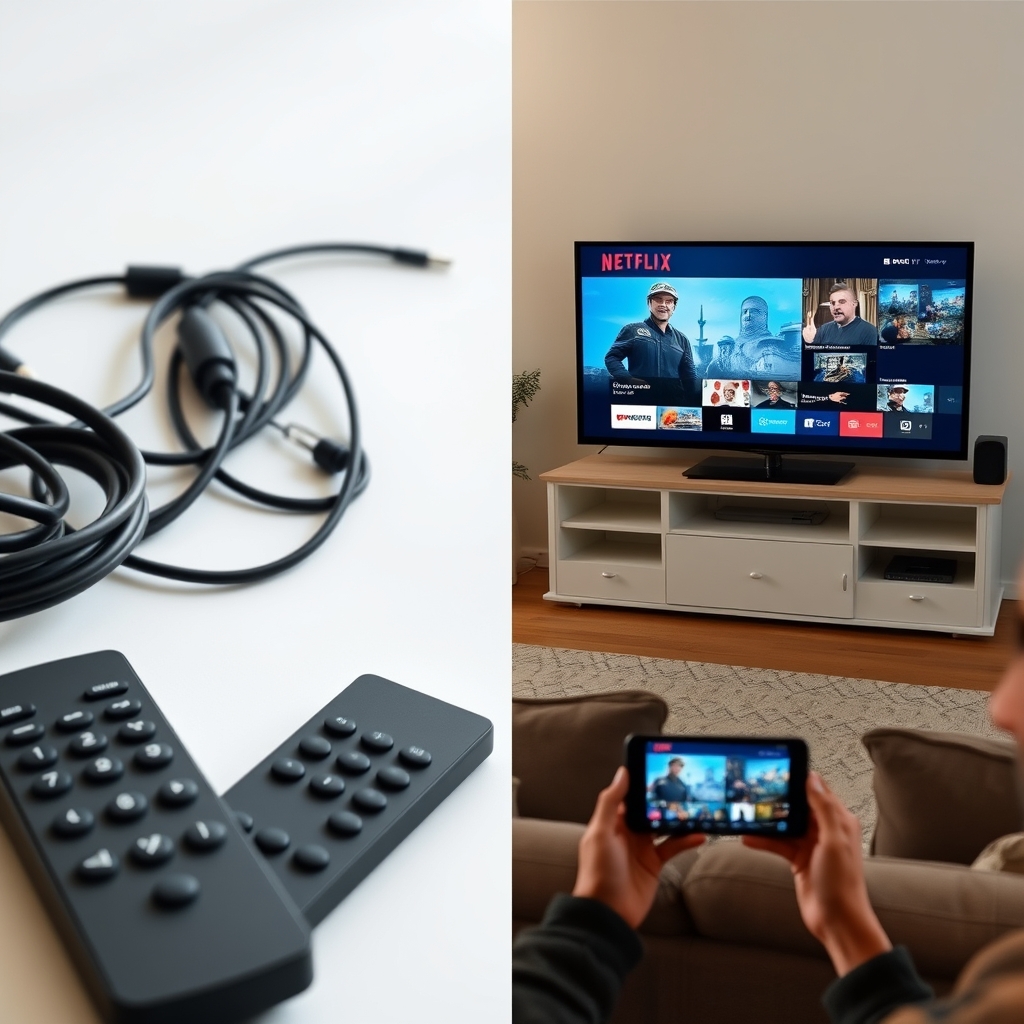
Calculating Your Long-Term Savings
Let's project the IPTV vs Cable TV cost comparison over three years, factoring in typical cable price increases.
- Year 1 Cable: $2,220 (with promo)
- Year 2 Cable: $2,700 (post-promo hike)
- Year 3 Cable: $2,800 (annual increase)
- 3-Year Cable Total: $7,720
- 3-Year IPTV Total: $540 - $650 (assuming a stable $15-$18/month)
- 3-Year Savings with IPTV: Over $7,000
This dramatic difference highlights why millions are cutting the cord. The savings are real and substantial.
How to Switch & Start Saving
Switching is simpler than you think. Follow these steps:
- Check Your Internet: Ensure you have a stable broadband connection (minimum 25 Mbps for HD streaming on multiple devices).
- Choose a Reputable IPTV Provider: Look for transparency, channel variety, EPG (Electronic Program Guide), and customer support. Always test with a trial.
- Use the Free Trial: We strongly recommend using our free 48-hour IPTV trial to test channel stability, content, and usability on your own devices before committing.
- Select a Device: Install the IPTV app on your Fire Stick, Android TV, Smart TV, or phone.
- Subscribe & Cancel Cable: Once satisfied, subscribe to IPTV. Then, call your cable company to cancel. Return their equipment to avoid unreturned equipment fees.
For common questions about the transition, visit our FAQ page.
Conclusion: Is the Switch Worth It?
The data from this comprehensive IPTV vs Cable TV cost comparison speaks for itself. IPTV isn't just slightly cheaper; it's a fundamentally different financial model that saves the average household over $1,500 per year while providing more channels, greater flexibility, and no long-term contracts. The value proposition is overwhelming.
While cable may still suit those with unreliable internet or a deep attachment to specific local channel integrations, for the vast majority, IPTV represents the future of television: affordable, abundant, and on your terms. The best way to validate this comparison is to experience it firsthand. Take control of your entertainment budget and see the quality for yourself by starting with a free IPTV trial here. Your wallet will thank you.
Ready to explore more ways to optimize your home entertainment? Check out our other more guides on cutting the cord and streaming.